What is Fateer?
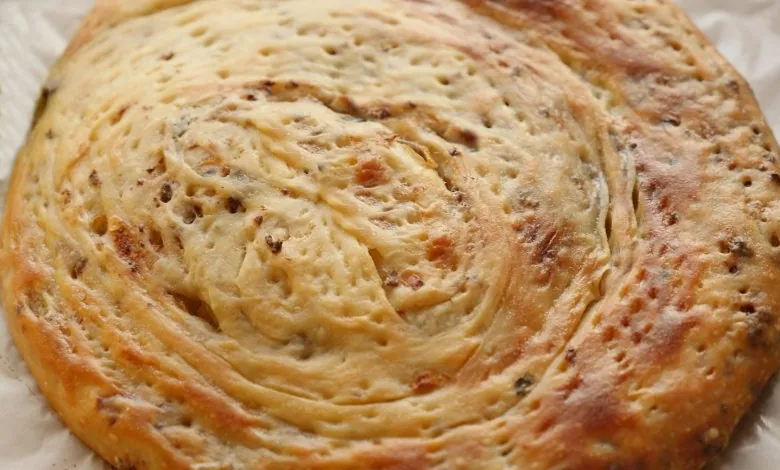
Fateer is a famous Arabic word for a layered pastry that consists of many thin layers of dough, made with a variety of filling. In short, it is also known with the variation of Tandoori Paratha in various parts of the world.
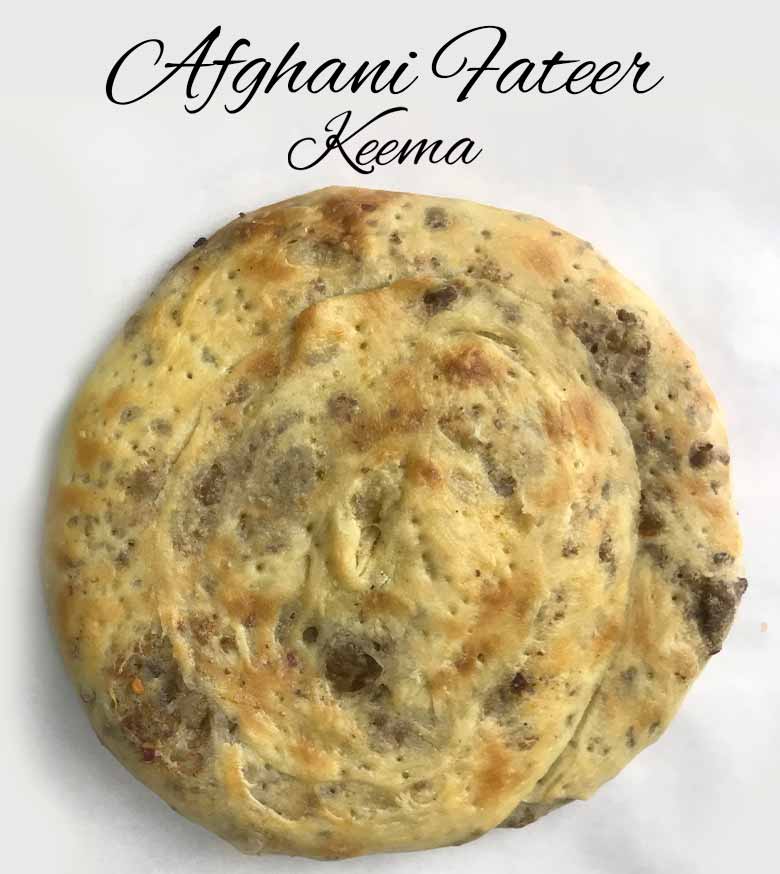
As afghan food is famous because of its treatment with meat and bread, the Afghani Fateer or Afghani Keema Paratha is crisp addition to snacks for Naan and bread lovers.
What's so Special?
Parcha Parcha or piece by piece crispiness is loaded in this fateer. Starting from the dough itself when butter is rolled with minced mutton on a thick pastry sheet, you will realise that the end result is going to be yumilicious.
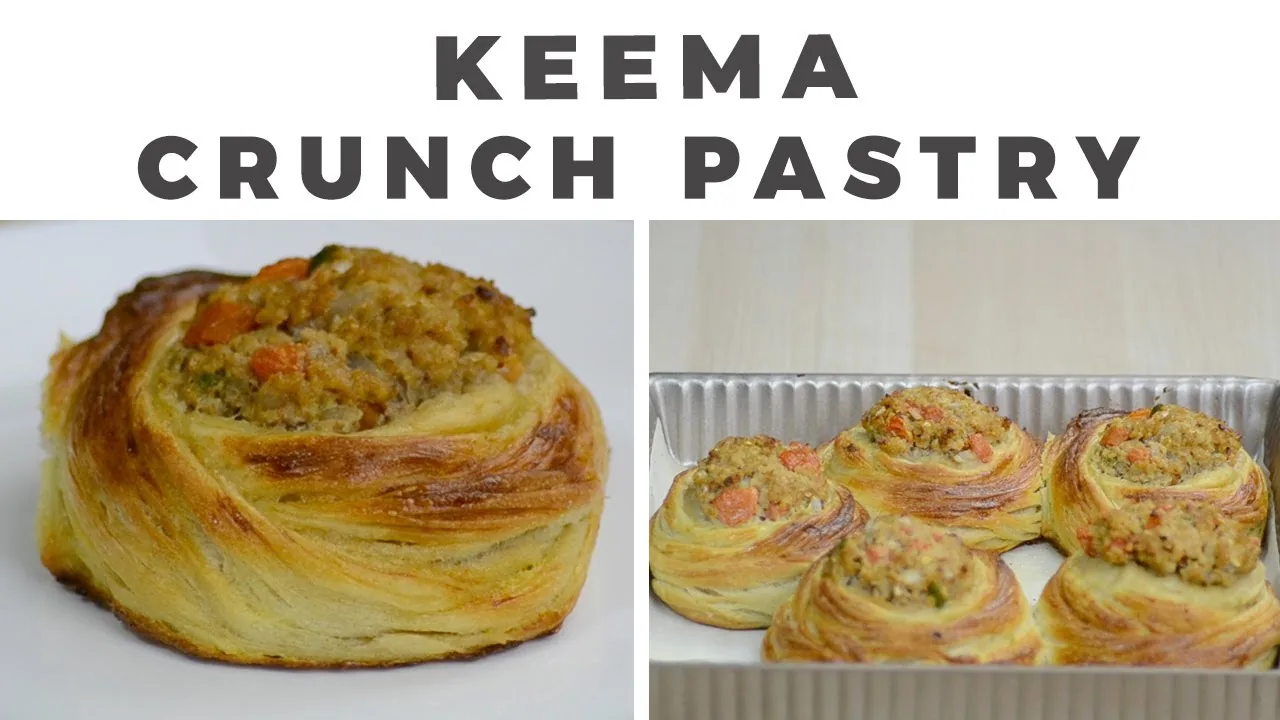
Butter is not used in the kneading process but works as a crisp agent during the rolling process which is similar to lachedar paratha have you seen and witnessed the beauty in
Keema Crunch Pastry and
Mutabbaq.
Can we make Afghani fateer without Tandoor / without Oven?
The short answer is YES! but you will miss the crisp experience. the inner layers will remain soggy and not form separate layers due to missing heat from the top and around it.
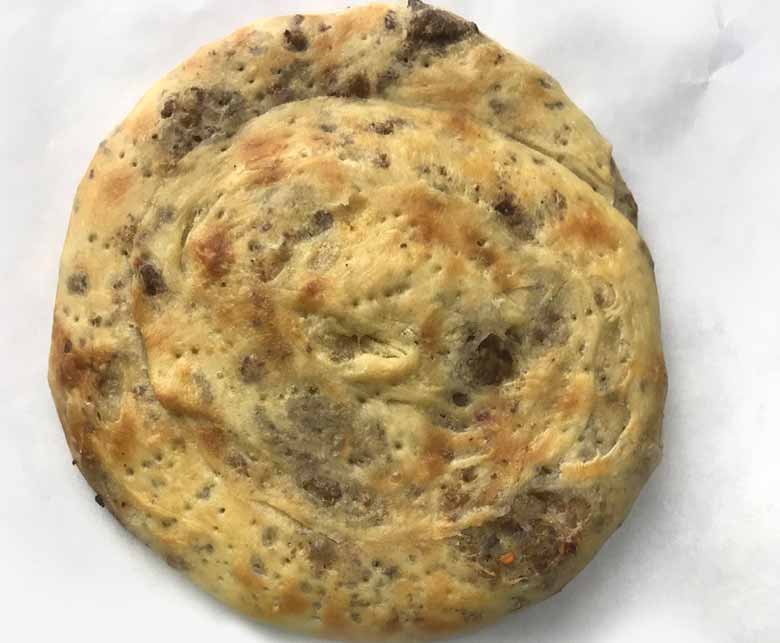
What are the filling options?
The best-recorded experience is with Mutton Minced Meat, whereas beef, chicken, potatoes, and only onions ( Pyazi fateer) are also used.
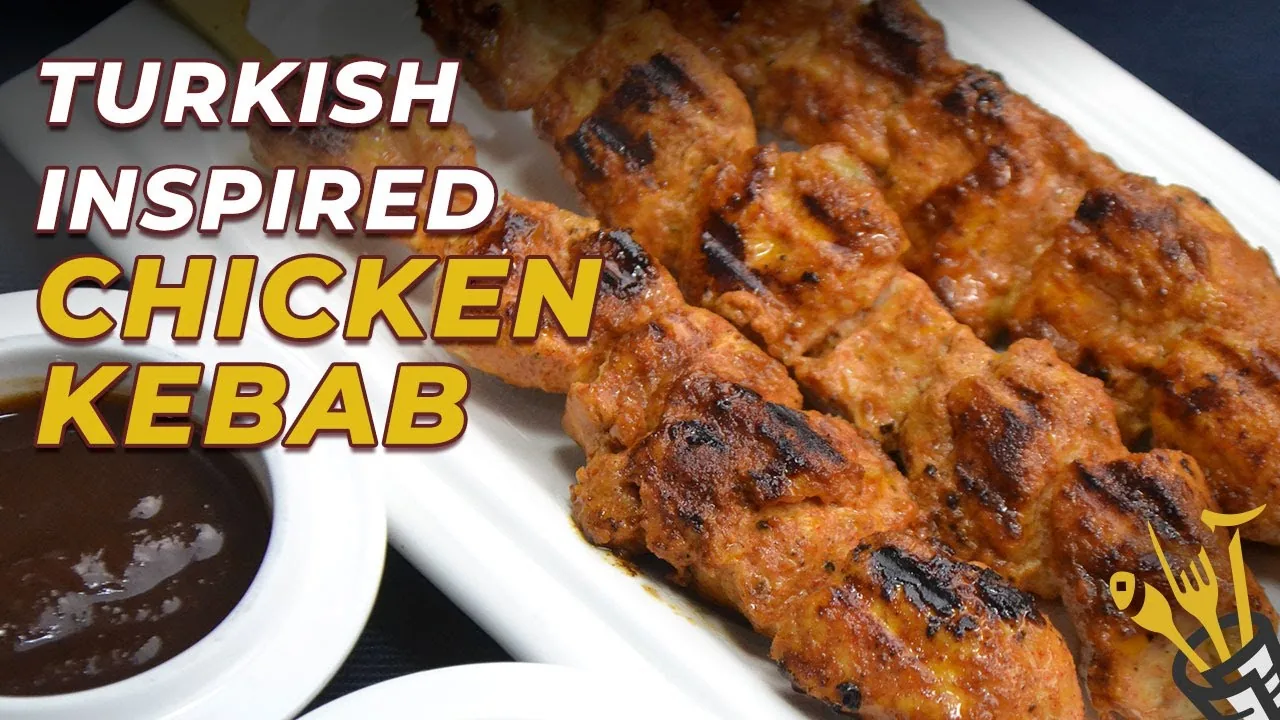
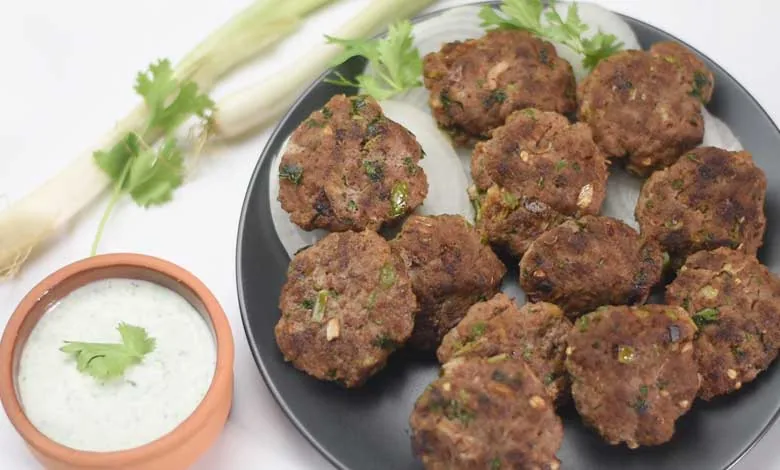
Some Delicious Mince Mutton Recipes
About this recipe
Fateer-style breads are cooked until golden and slightly flaky, and in this recipe the soft yeast dough is paired with a savoury mutton keema seasoned with cumin, black pepper and chilli. The result sits somewhere between a stuffed flatbread and a layered pastry: tender inside, lightly crisp outside, and filling enough to be a meal on its own.
Getting it right
Two things decide how good it turns out. First, the dough: let it rest for the full 30 minutes after kneading so it relaxes and rolls out thin without springing back. Rolling it thin, and brushing or oiling between layers, is what creates the flaky texture. Second, the keema: cook it until the mince has changed colour and the onion is soft, and keep the filling fairly dry. A wet filling will make the dough soggy and hard to seal.
Serving and storing
Serve it hot, cut into wedges, with yogurt or a simple cucumber raita and a squeeze of lemon. Leftover pieces reheat well in a dry pan or in a hot oven for a few minutes, which brings back the crisp edges.